
Selling to a cash home buyer is different from a traditional real estate transaction. If you’ve never done it before, the speed and simplicity can feel surprising, even a little suspicious. When you know each step in advance, that uncertainty goes away. A cash sale follows a defined process with clear checkpoints, no lender involvement, and fewer waiting periods tied to someone else’s loan approval.
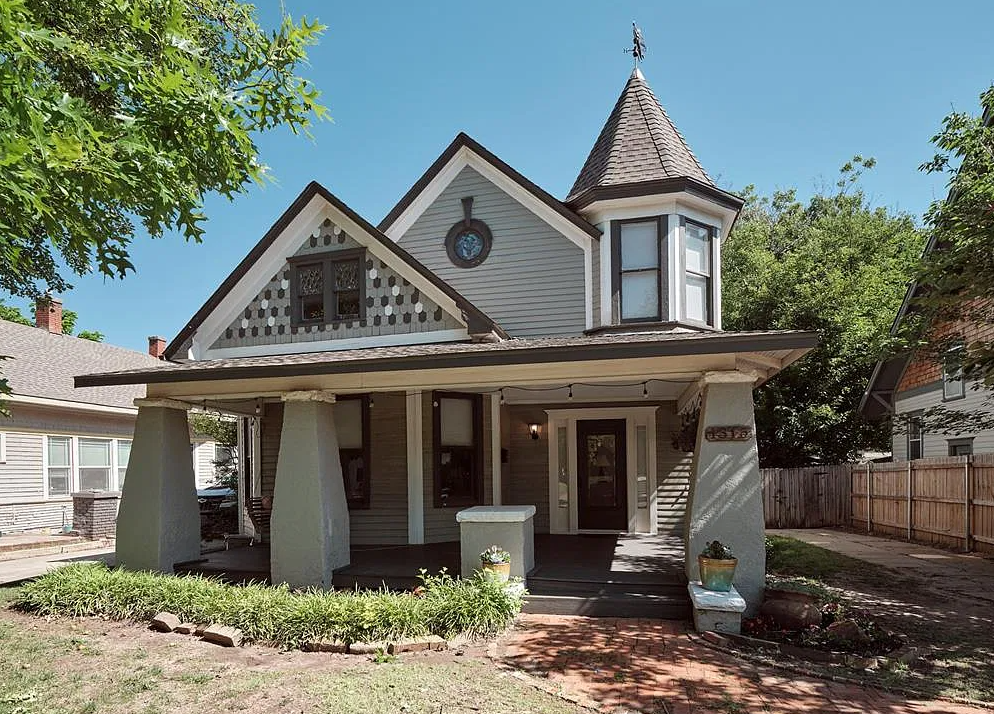
How Does a Cash Home Buyer Make an Offer on a Yukon Property?
The offer process is often shorter than first-time sellers expect, but it isn’t arbitrary. It follows a specific sequence, and understanding it helps you read any offer you receive with confidence.
How Does the Property Walkthrough Shape the Offer?
Many cash buyers schedule a walkthrough before putting a number on paper. It isn’t an inspection designed to kill the deal. It’s a way to see what listing photos can’t show: the age of the roof, the condition of the HVAC system, whether the foundation has visible settling cracks, or how much of the interior needs cosmetic work.
During the walkthrough, we look at the home as it is, not as it could be after repairs, and we factor items that need attention into the offer. The goal is a number that reflects market conditions in Yukon.
If you have maintenance records, utility bills, or receipts for recent work, bring them along. That information can help reduce uncertainty.
Why Do Cash Buyers Skip the Bank Appraisal?
A bank appraisal exists to protect the lender. When a traditional buyer borrows money, the bank requires an appraiser to confirm the home is worth at least as much as the loan. If the appraisal comes in low, the deal can collapse or force a renegotiation. With no lender involved in a cash sale, that step generally doesn’t apply.
If you’d like to see how this works for your property, you can sell your Yukon house for cash and ask for a walkthrough.
Which Repairs or Disclosures Affect the Offer?
Oklahoma sellers generally need to disclose known material defects, such as a roof leak, prior flooding, foundation movement, or unpermitted additions. Confirm what applies to your sale with a real estate attorney or title company.
Disclosing a defect doesn’t automatically send your offer to zero. It lets the buyer price the offer accurately. A home with a known foundation issue can still be sold, and the offer reflects the cost of addressing it. Full disclosure can also help avoid surprises that reopen negotiations later.
What Does the Closing Process Look Like for a Yukon Cash Sale?
Once you accept an offer, closing begins. It’s more straightforward than a financed sale, but it still involves real steps and documents.
Who Handles the Title Search and Settlement?
A title company often manages the closing on a cash sale. It conducts a title search to confirm clear ownership and check for liens, judgments, or other claims on the property.
Common title issues include unpaid contractor liens, unresolved estate matters, or old mortgages that were paid off but never formally released. Many of these can be resolved before closing, but the search takes time. The title company also prepares the settlement statement, which shows where every dollar goes at closing.
What Documents Do You Sign at Closing?
Many first-time sellers are surprised by how few documents they sign compared to a financed closing. In a cash sale, you won’t deal with a stack of loan paperwork. The documents you can expect include:
- The deed: Transfers ownership from you to the buyer, typically prepared by the title company or closing attorney.
- The settlement statement: Shows the sale price, any prorated taxes, and who pays what.
- Mortgage payoff confirmation: If you have an existing mortgage, your lender provides a payoff amount, and the title company handles disbursement at closing.
- A seller’s or title affidavit: Confirms you have the legal right to sell and that you know of no undisclosed claims against the property.
Review the settlement statement before signing, and don’t rush through it. Those numbers determine your final net proceeds.
Can You Choose Your Own Closing Date?
In a financed sale, the lender’s underwriting schedule largely controls the closing date. You wait for loan approval, a clear-to-close, and the lender’s wire.
With a cash sale, those lender steps don’t apply. Once the title search is complete and any issues are cleared, you and the buyer can work out a closing date. If you need extra time to move out, arrange temporary housing, or handle an estate matter, ask about flexibility up front.
How Is Selling to a Cash Buyer Different From a Traditional Yukon MLS Listing?
The difference isn’t just speed. It’s also about what you carry through the process and what you leave behind.
Why Do MLS Listings Add Weeks?
A traditional listing starts a sequence of events, each adding time. Your agent lists the home, and buyers tour it, sometimes over several weekends. An offer comes in, often with contingencies attached. Inspections are scheduled, the buyer’s lender orders an appraisal, and underwriting reviews the file. Then a clear-to-close is issued and a closing date is set.
Each step has its own timeline and potential failure point, and any one of them can delay or end the sale. The total time from listing to closing varies widely with market conditions, buyer financing, and inspection outcomes.
How Do Agent Commissions and Staging Costs Compare to a Cash Offer Net?
When you list on the MLS, the seller often pays commissions for both sides of the transaction. On a $200,000 home, that’s a meaningful reduction in your net proceeds, even before staging, photography, repairs requested after inspection, and carrying costs like mortgage payments, insurance, and utilities.
A cash sale typically involves no agent commission, and sellers often pay fewer closing costs, but confirm what the settlement statement shows before signing. The trade-off is that a cash offer may be below full retail value. The comparison that matters isn’t list price versus cash offer. It’s your projected net from each path after all costs.
If you’d like help comparing the numbers, a cash home buyer in Yukon can walk through both scenarios with you.
Which Contingencies Disappear When You Skip the Traditional Route?
Traditional offers often include three major contingencies: financing, inspection, and appraisal. Each gives the buyer a legal exit if something doesn’t go as planned. In a cash sale, the financing and appraisal contingencies generally don’t apply, though a buyer may still include an inspection period, so ask what contingencies are in the contract.
Frequently Asked Questions
Do I need to clean or fix up my house before a cash buyer comes to see it?
Preparing your home for a cash buyer is different from preparing it for MLS showings. You generally don’t need to clean, stage, or repair anything before the walkthrough. The buyer evaluates the property in its current condition and factors that into the offer.
Who pays closing costs when selling to a cash buyer in Yukon, OK?
In many cash sales, the buyer covers a significant share of the closing costs, but this varies by agreement. Review the settlement statement before closing to confirm what each line item shows.
Can I sell my Yukon home for cash if I still have a mortgage on it?
Yes. Selling a home with an active mortgage is common in a cash sale. The title company works with your lender to get the payoff amount, deducts it from the sale proceeds, and sends the payoff at closing. You receive the remaining equity, and you don’t need to pay off the mortgage before selling.