
Inheriting a home with siblings or other family members carries real legal weight before you can sell. If you’re looking for a cash buyer and wondering what stands between you and closing, the answer usually starts with Oklahoma’s probate process and ends with all heirs signing off.
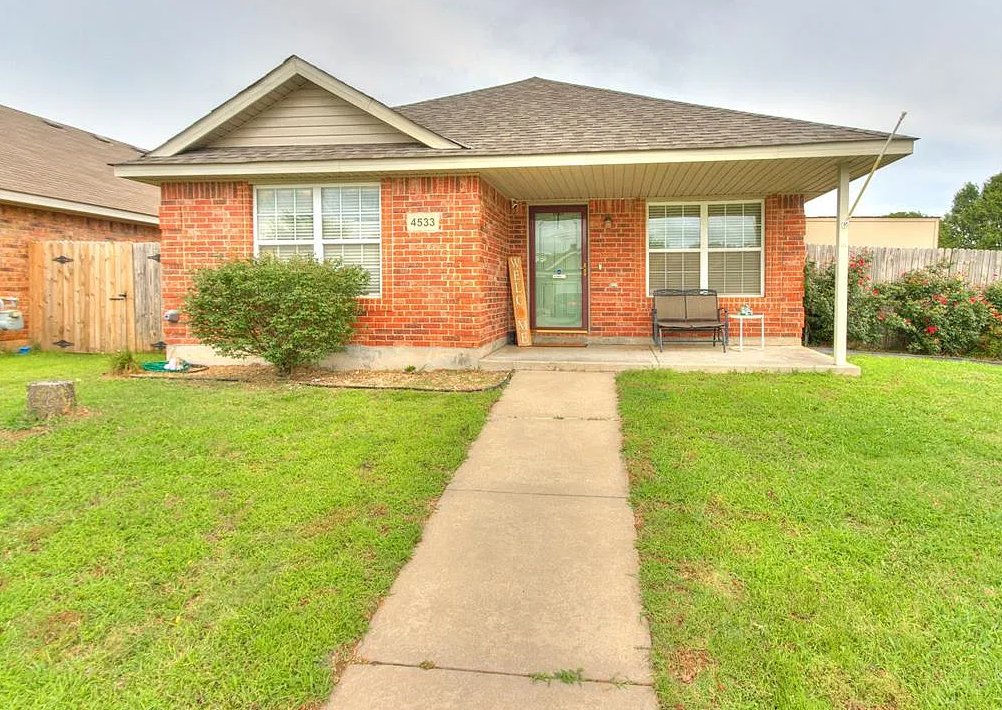
What Oklahoma Probate Steps Must You Complete Before You Can Sell an Inherited Edmond Home?
You generally can’t sell an inherited property until legal ownership is transferred. The exact path depends on how the deceased held title and whether they left a valid will.
Does the Estate Need Full Probate or a Summary Proceeding?
Oklahoma offers more than one route through probate, and the right one depends on the estate’s value and circumstances. Confirm which applies with a probate attorney.
Full probate generally applies when the estate’s assets exceed the small-estate threshold, the deceased died without a will, or heirs dispute title. A district court judge oversees the process and appoints a personal representative.
Summary administration is a shorter process that may be available when the estate falls below a certain value and meets certain conditions. It may skip some steps required in full probate, but it can still require a court filing and a judge’s order.
A third possibility is that the home was held in a revocable living trust. Trust-held property can often bypass probate, because ownership passes to the successor trustee without court involvement. If the Edmond home was titled this way, the path to a cash sale may be shorter.
If you’re an heir weighing your options, you can sell your inherited Edmond house once title is clear and every owner has agreed.
Where Is the Probate Filing Made, and What Does It Cost?
Edmond is in Oklahoma County, so probate for an Edmond property would generally be filed in the district court for that county. Confirm the filing location with your attorney.
Filing fees vary with the estate’s value. Beyond filing costs, an estate may pay an attorney to prepare the petition, a personal representative bond (unless the will waives it), and required notice publications to notify unknown creditors. Attorneys may charge hourly or by percentage, so ask for the fee structure up front.
How Long Does Probate Take Before a Deed Can Transfer?
A straightforward, uncontested probate can take several months from filing to final order. Contested estates, missing heirs, or title defects can extend that significantly.
The key milestone for a cash sale is a court order authorizing the personal representative to deliver a deed. A cash buyer generally can’t close without clear, court-authorized title. If the estate qualifies for summary administration, the timeline may be shorter, but it’s still often measured in weeks, not days.
How Do Multiple Heirs Legally Agree to Accept a Cash Offer?
Even when probate wraps up cleanly, the sale itself requires coordination among everyone with a legal interest in the property. Family dynamics and geography can complicate an otherwise straightforward transaction.
Why Must Every Heir Sign the Purchase Agreement?
When an inherited property passes to several heirs as tenants in common, each heir owns a fractional share. No single heir can sell the whole property without the others agreeing.
A buyer generally can’t get clear title unless every co-owner signs the contract and closing documents. A title company usually won’t issue a policy without every owner’s signature.
If the will names three heirs equally, all three should sign. If one heir died after the original owner but before the sale, that heir’s own estate may need separate probate before their share can be transferred.
How Do Heirs in Different States Reach Agreement?
Heirs scattered across different states is a common friction point, but geography alone doesn’t have to block a sale. A real estate attorney familiar with Oklahoma probate can often prepare documents for remote signing. Heirs may be able to sign by mail with notarization or through remote online notarization, depending on what the title company and attorney accept.
An attorney can also explain the cash offer to each heir individually. When one heir doubts the price, walking through the net proceeds after probate costs, taxes, and any liens can help clear up the concern.
What Is a Partition Action, and When Does It Become the Only Path?
A partition action is a lawsuit asking a court to divide or force the sale of co-owned property when the owners can’t agree. It’s a last resort, not a first step.
A partition in kind divides the physical property, which is rarely practical for a single-family home. A partition by sale orders the property sold and divides the proceeds. A partition action is typically filed in the district court where the property is located.
What Happens to the Sale If One Heir Refuses to Sign in Oklahoma?
One heir’s refusal doesn’t automatically end the sale, but it can change the legal path.
What Legal Remedies Exist When One Heir Blocks the Sale?
If a single heir refuses to sign and other options are exhausted, the willing heirs may be able to file a partition action. The court may appoint a referee or commissioner to appraise the property and report back.
The refusing heir may be able to contest the valuation or buy out the others at a price the court sets. If no buyout occurs and the court finds a partition by sale appropriate, it may order the property sold. This takes time and adds legal expense, and costs may reduce the proceeds before distribution.
How Do Courts Divide Proceeds After a Forced Sale?
After a court-ordered sale closes, proceeds are generally applied to outstanding debts against the property, such as a mortgage or liens. Costs of the partition action come next, and the remainder is divided according to each heir’s ownership share.
An heir who forced the partition doesn’t automatically receive a larger share. A court may, in some circumstances, assign costs unevenly to the party whose conduct made the lawsuit necessary.
What Do Cash Buyers Look for Before Making an Offer on a Probate Property?
Not every cash buyer is set up to purchase a property during probate. Before making an offer, a buyer will often want to see a few things:
- Letters Testamentary or Letters of Administration, the court-issued documents confirming who can act for the estate
- Confirmation from a title company that a title search is complete or underway
- Whether any creditor claims are outstanding against the estate, since those affect net proceeds
If you’re ready to talk through your situation, a cash home buyer in Edmond can explain what they’d need from the estate.
Frequently Asked Questions
Can a cash buyer purchase a probate property in Edmond before probate is complete?
A cash buyer may be able to enter a purchase agreement before probate is fully resolved, but closing generally can’t happen until a court order or other authority permits the transfer of title. In these cases, the agreement often includes a contingency tied to that authority.
What if one heir wants to keep the Edmond home and the others want to sell?
The heir who wants to keep the property can buy out the others at an agreed price. If they can’t agree on value, a court may set the terms in a partition action. An heir who wants to keep the home may be able to bid at a court-ordered sale, but isn’t guaranteed to win it at a below-market price.
Do heirs owe capital gains tax when they sell an inherited Edmond home for cash?
Under federal tax rules, inherited property generally receives a stepped-up cost basis, so taxable gain is usually figured from the property’s value at the date of death. If the home sells for close to that value, the tax owed may be small or zero, though each heir’s situation differs. A tax professional can give guidance specific to your share.