
Dealing with code violations on a property can feel like hitting a wall. If you are a homeowner in Oklahoma City wondering whether you can still sell, the short answer is that you have real options — including working with buyers who purchase homes in any condition. Code violations do not have to end your plans.
Many homeowners discover violations only when they decide to sell. Maybe an inspector flagged unpermitted work done by a previous owner, or the city sent a notice about a structural issue that has been put off. Whatever the situation, understanding how violations affect a sale — and what alternatives exist — helps you make the right call for your circumstances.
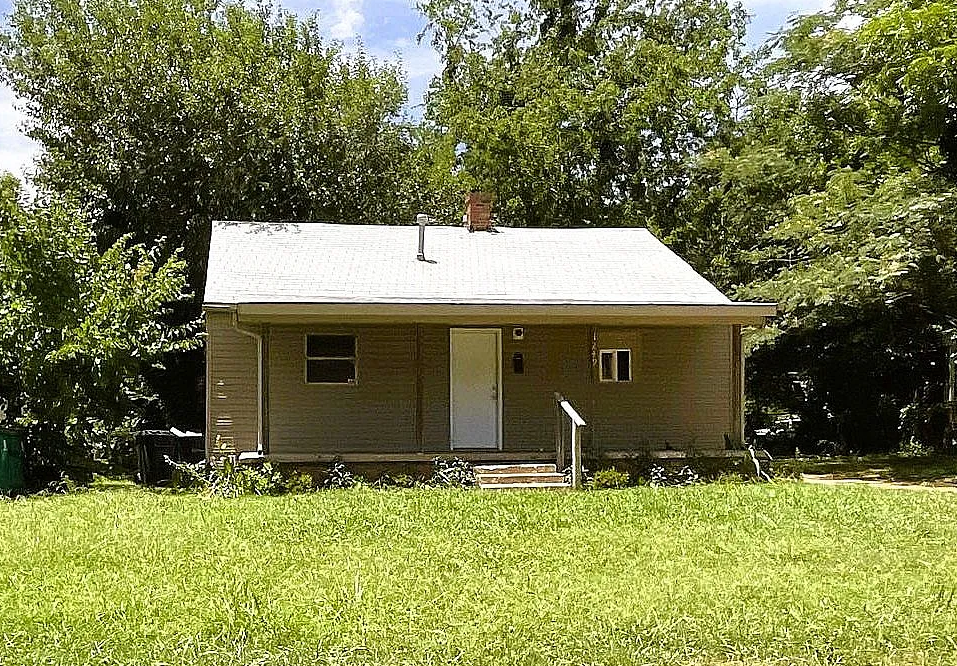
Can You Sell a House That Has Code Violations in Oklahoma?
Selling a home with code violations in Oklahoma is legal — but it comes with conditions that depend heavily on how you choose to sell.
What Oklahoma Law Says About Disclosure
Oklahoma requires sellers to disclose known material defects to potential buyers. Code violations typically qualify as material defects, which means concealing them is not a legal option. Sellers who hide known violations risk serious liability later.
Disclosure does not mean you have to fix anything before selling. It means the buyer needs to know what they are agreeing to purchase. Some buyers will walk away the moment they hear the word “violation.” Others — particularly investors and cash buyers — will factor the violations into their offer and move forward anyway.
When you list a home on the open marHow Traditional Buyers Respond to Violationsket, most buyers use a mortgage to finance the purchase. Lenders have strict requirements about property condition. A home with active code violations, unpermitted additions, or safety issues often fails to qualify for conventional financing, FHA loans, or VA loans.
That means even if a traditional buyer wants your home, their lender may refuse to approve the loan. The deal collapses — and you are back to square one with the violations still unresolved.
Why Violations Do Not Have to Stop Your Sale
Selling directly to a cash buyer sidesteps the lender approval problem entirely. No bank is involved — so no appraisal or property condition checklist stands between you and closing. If you are facing Oklahoma City code enforcement notices or carrying the weight of violations you simply cannot afford to fix, a direct cash sale gives you a realistic path forward.
Do Cash Buyers Purchase Homes With Unpermitted Additions or Work?
Unpermitted work is one of the most common issues sellers in Oklahoma City encounter. A previous owner finishes a basement without pulling permits, adds a garage, or converts a carport — and none of it ever gets officially inspected or approved.
What Counts as Unpermitted Work
Unpermitted work is any construction, remodel, or structural change completed without the required building permits from the local municipality. In Oklahoma City, the Building Services Department issues permits for everything from electrical upgrades to room additions.
Work done without those permits is not automatically dangerous — but an inspector has not verified it. That uncertainty makes many traditional buyers and their lenders nervous enough to walk.
Common examples include:
- Finished basements or attics added without permits
- Detached garages or storage buildings
- Electrical panel upgrades or added circuits
- Plumbing modifications
- Deck or patio additions
How a Cash Buyer Evaluates These Properties
When cash buyers evaluate a property, they are not looking for perfection. They are looking at the full picture: location, lot size, general structure, and what it will take to bring the home up to code after purchase. That calculation happens on their side — not yours.
In a cash sale, the buyer accepts the home in its current state — including violations and unpermitted work. They adjust their offer to reflect what they will need to invest. You do not have to hire a contractor, apply for retroactive permits, or spend months resolving disputes with the city before you can move on.
Why This Works for Sellers in Difficult Situations
Homeowners dealing with violations often face other pressures. Financial strain, inherited properties, a pending divorce, or a job relocation can make spending months on repairs completely unrealistic.
An as-is sale removes repairs from the equation. The property transfers in its current condition. We buy homes in Oklahoma City regardless of condition — including properties with active violations, unpermitted structures, deferred maintenance, or code issues the seller cannot address.
What Happens to Code Violations After an As-Is Cash Sale?
One of the most common questions sellers have is what actually happens to the violations once the property changes hands. It is a fair concern — and the answer matters for your peace of mind.
Violations Transfer With the Property
When you sell a home as-is, the existing code violations stay with the property — not with you as the departing seller. Once the deed transfers, you are no longer the responsible party for those issues. The new owner takes on the task of resolving them.
This is a meaningful distinction. The buyer, having reviewed the property and accepted it as-is, takes full responsibility for bringing it into compliance on their own timeline and with their own resources.
What Buyers Do After Purchase
Experienced investors who purchase homes with violations typically work directly with local building departments to resolve outstanding issues. They apply for retroactive permits where available, complete any required repairs, and schedule inspections through the proper channels.
For sellers, this process is invisible. Once you have closed, the city’s ongoing enforcement relationship shifts to the new owner. Your name is off the deed — and any future correspondence from Oklahoma City code enforcement goes to the buyer.
How the Closing Process Protects You
A properly written purchase agreement for an as-is sale clearly states that the buyer accepts the property in its current condition. Reviewing that language carefully before signing — and consulting an Oklahoma real estate attorney if anything is unclear — gives you the confirmation you need before closing.
For Oklahoma City homeowners carrying the weight of code violations, selling a house with code violations to a cash buyer in Oklahoma City is often the most practical path to moving on without spending money you do not have on repairs you cannot manage.

Frequently Asked Questions
Can I sell my house if it has a code violation notice from the city?
You can sell a home with an active code violation notice in Oklahoma. You must disclose the violation to any buyer — but you are not legally required to resolve it before closing. Cash buyers familiar with these situations can purchase the property as-is, accepting the violation along with the transfer of ownership.
Will a cash buyer still make an offer if there is unpermitted work on my home?
Unpermitted work does not disqualify a property from a cash sale. We evaluate homes based on their current condition and factor in any known issues — including unpermitted additions or modifications — when putting together an offer. The cost and responsibility for resolution shifts to us after closing, not to you.
Do you buy homes with structural violations in Oklahoma City?
We purchase homes with structural issues, foundation concerns, fire damage, and other serious violations that would make a traditional sale nearly impossible. We assess each property individually and make offers based on what we see — not on an idealized version of what the home could be after repairs.