
Selling a house during bankruptcy in Oklahoma is possible, but it comes with legal steps you cannot skip. Knowing your rights before making any decisions protects both your home equity and your standing in court.
Can You Sell Your House While in Bankruptcy in Oklahoma?
Filing for bankruptcy does not automatically mean you lose your home or your ability to sell it. In fact, many homeowners in Oklahoma City, OK and across the state successfully sell their properties during bankruptcy proceedings, while the case is still open. The key is understanding that the moment you file, your home becomes part of what is called the bankruptcy estate.
What the Bankruptcy Estate Actually Means
The bankruptcy estate is a legal term for all the property and assets you own at the time you file. Your home, your car, your savings account, and most other valuables all become part of this estate. From that point forward, you no longer have full independent control over those assets. A court-appointed bankruptcy trustee steps in to oversee them on behalf of your creditors.
The Automatic Stay and What It Does
One of the first things that happens when you file for bankruptcy is the automatic stay. This is a federal court order that goes into effect immediately and pauses most collection actions against you, including foreclosure proceedings. For homeowners who are already facing foreclosure, this can provide real breathing room to evaluate their options.
Chapter 7 vs. Chapter 13: Why It Matters
The type of bankruptcy you filed changes how selling works in practice. Under Chapter 7 bankruptcy, a trustee can liquidate non-exempt assets to pay creditors. Under Chapter 13 bankruptcy, you keep your assets and repay debts through a structured repayment plan. Selling your home in a Chapter 13 case typically requires court approval and may also require notifying your creditors and giving them a chance to object.
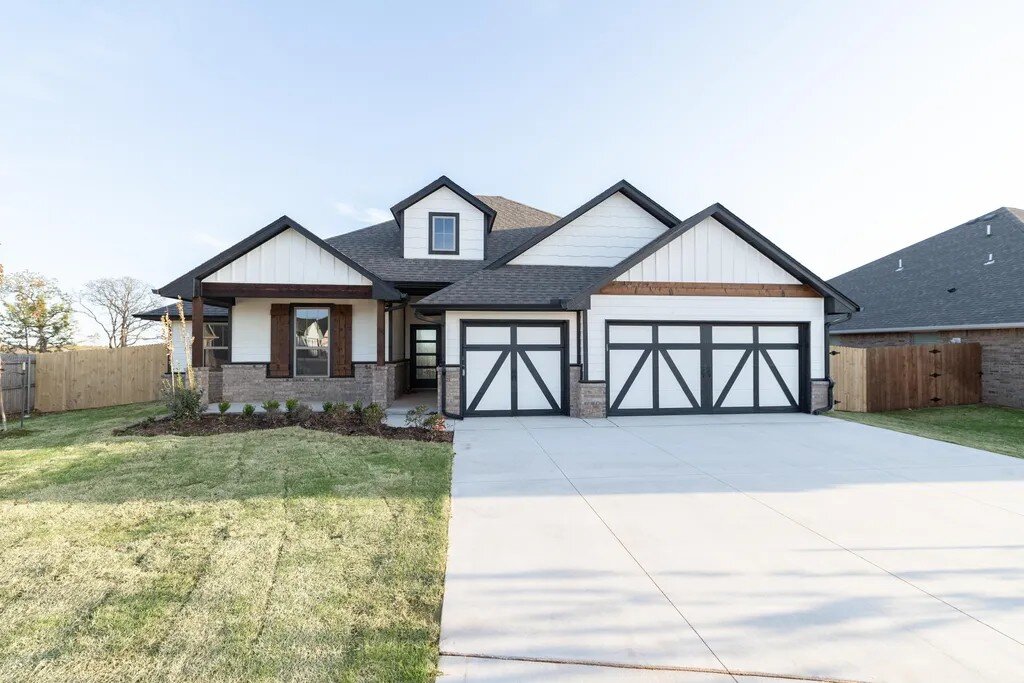
What Happens to Your Home When You File for Bankruptcy?
Your home does not disappear from your life the moment you file. What changes is who has authority over what happens to it. Understanding this shift is one of the most important parts of navigating a bankruptcy home sale in Oklahoma.
The Role of the Oklahoma Bankruptcy Court
The Oklahoma bankruptcy court oversees your entire case, including any real property you own. If you want to sell your home while your case is active, you or your attorney must file a motion with the court. The court will review the proposed sale, the terms, the sale price, and how the proceeds will be distributed.
Understanding the Oklahoma Homestead Exemption
Oklahoma offers a homestead exemption that can protect some or all of the equity in your primary residence from being used to pay unsecured creditors. In many cases, Oklahoma’s homestead exemption is unlimited in value, though it does have acreage limits depending on whether the property is inside or outside city limits.
In practical terms, if your home equity falls within the exemption limits, you may be able to keep that equity even after your debts are settled. Your bankruptcy attorney can walk you through exactly how this applies to your specific situation and property.
How Proceeds From the Sale Are Handled
When a home sells during an active bankruptcy case, the proceeds do not simply go into your bank account. The trustee controls how those funds are distributed. Secured creditors, such as your mortgage lender, are paid first. After that, any remaining funds may go toward unsecured creditors. If your homestead exemption protects equity, you may receive that portion.
Who Has the Final Say on Selling Your Home During Bankruptcy?
This is one of the most common questions we hear from homeowners navigating a bankruptcy home sale in Oklahoma. The short answer is that the court and the trustee share authority, and neither can be bypassed.
The Trustee’s Role in Approving a Sale
Your bankruptcy trustee is not an adversary. Their job is to manage the bankruptcy estate fairly and according to the law. When it comes to selling your home, the trustee must approve the sale before it can move forward. They will evaluate whether the sale price reflects fair market value and whether the terms of the sale serve the best interests of your creditors.
In some Chapter 7 cases, the trustee may actually initiate the sale of your home if your equity exceeds the homestead exemption and those funds would benefit creditors. In Chapter 13 cases, trustee approval is still required, but because you are working within a repayment plan, you often have more say in how and when the sale happens.
When Creditors Can Object
Once a motion to sell is filed with the Oklahoma bankruptcy court, creditors are typically given a window to review the proposed sale and raise any objections. This is a standard part of the process and does not necessarily mean the sale will be blocked. Most court-approved sales move forward without significant creditor opposition, especially when the terms are reasonable and transparent.
Working With a Cash Buyer During Bankruptcy
Some homeowners in Oklahoma City find that working with a cash buyer simplifies the court approval process. Cash offers tend to have fewer contingencies, which can make it easier to present a clean, straightforward sale to the court and trustee. Revive Real Estate works with homeowners in exactly these kinds of situations, helping sellers navigate the court process with a firm, documented offer in hand.
Frequently Asked Questions
Can I sell my house on my own during bankruptcy in Oklahoma?
Selling your home independently during an active bankruptcy case is not something you can do without court involvement. The property is part of your bankruptcy estate, so any sale must be approved by your trustee and the Oklahoma bankruptcy court before it can legally close.
What happens to my mortgage if I sell my house during bankruptcy?
Your mortgage lender is a secured creditor, which means they are paid from the sale proceeds before other debts are settled. If the sale price covers your remaining mortgage balance, the lien is released at closing. Any remaining proceeds are then distributed according to the court’s direction and the terms of your bankruptcy plan.
Does filing for bankruptcy protect me from losing my house to foreclosure?
The automatic stay that takes effect when you file for bankruptcy does pause foreclosure proceedings temporarily. This gives you time to work with your attorney and the court to explore your options, which may include selling the property, modifying your loan, or restructuring your debt through a Chapter 13 repayment plan.