
Gathering the right paperwork for selling a house by owner in Oklahoma is the single step that separates a smooth closing from a frustrating delay. Miss one form, and the entire transaction can stall, cost you money, or fall apart at the table.
Oklahoma gives homeowners the legal right to sell without an agent. That freedom comes with real responsibility. You prepare, sign, and deliver every document a licensed agent would normally track on your behalf. Knowing exactly what is required puts you in a stronger position from the moment you list to the moment you hand over the keys.
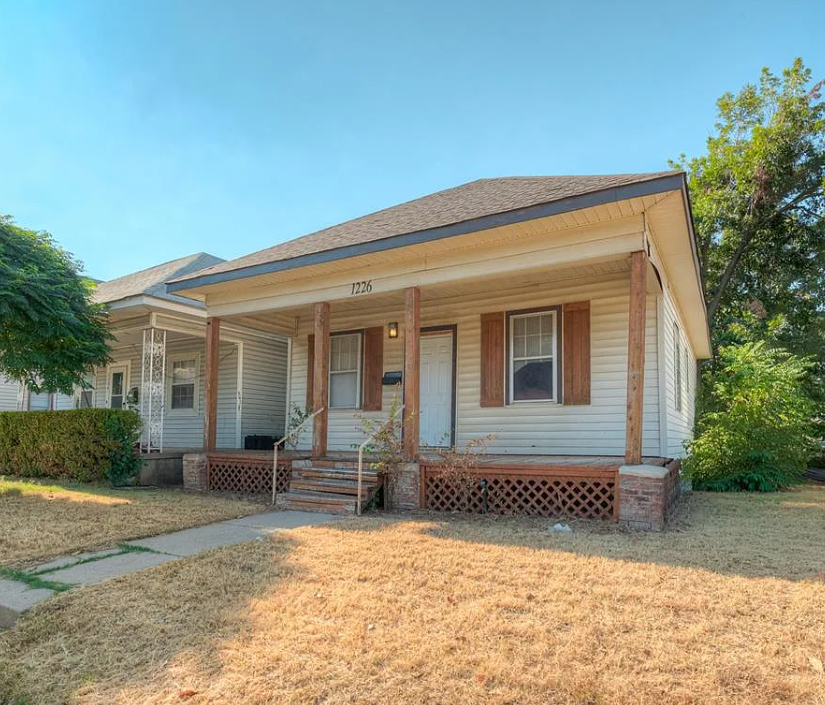
What Documents Do You Need to Sell a House by Owner in Oklahoma?
Every sale by owner starts with a core set of paperwork. These documents prove ownership, describe the property, and create a binding agreement between you and the buyer.
The Purchase and Sale Agreement
The purchase and sale agreement is the foundation of the deal. It spells out the sale price, the closing date, what stays with the home, and what happens if either party backs out. In Oklahoma, this document must be written, signed by both parties, and specific enough to identify the property.
Standard real estate contracts are available through Oklahoma real estate professionals and attorneys. The contract must include the property’s legal description, not just the street address.
The Property Deed
The property deed legally transfers ownership from you to the buyer. Oklahoma most commonly uses a warranty deed, which guarantees that you own the property free and clear of any claims you did not disclose.
A general warranty deed offers the highest level of protection for the buyer. A special warranty deed covers only the time you owned the home. A quitclaim deed transfers whatever interest you hold, with no guarantees. Most buyers and lenders require a warranty deed, so confirm this early with your title company.
Preliminary Title Report
Before closing, an Oklahoma title company searches the property’s history for unpaid liens, judgments, or ownership disputes. The result is a preliminary title report. This document protects both sides of the transaction, and a lender financing the buyer’s purchase typically requires it.
Even in an all-cash deal, buyers almost always request a clean title search. Working with a licensed title company in the Oklahoma City area makes this process straightforward.
Which Forms Are Required by Oklahoma State Law?
Beyond the core purchase documents, Oklahoma law requires sellers to provide specific disclosures. These forms protect buyers by giving them a clear picture of the property’s condition before they commit.
The Oklahoma Residential Property Condition Disclosure
Oklahoma law requires sellers of most residential properties to provide a property condition disclosure statement, or a disclaimer statement where the law allows one. The form asks you to report known issues with the roof, foundation, plumbing, electrical systems, HVAC, and more. Answer based on your actual knowledge, not a professional inspection.
Failing to disclose a known defect can expose you to legal liability after closing. Complete the form honestly and keep a signed copy for your records.
Lead-Based Paint Disclosure
Federal law requires sellers of homes built before 1978 to provide a lead-based paint disclosure. This applies in every state, including Oklahoma. You must give the buyer a completed disclosure form and a copy of the EPA pamphlet titled “Protect Your Family From Lead in Your Home.”
Buyers also have the right to conduct a lead inspection within a specific window before the sale is finalized. This federal requirement is not negotiable.
HOA Documents
If your property sits in a homeowners association, you must provide the buyer with the association’s governing documents. These include the bylaws, rules and regulations, current fee schedule, and any pending assessments or violations on your account.
Many buyers want to review these before removing contingencies. Collecting HOA documents early prevents last-minute surprises at closing.
What Happens If You Are Missing a Document at Closing?
Missing paperwork at closing is one of the most common reasons a sale gets delayed. It is also one of the most avoidable problems in the entire process.
Closing Can Be Postponed
A title company or closing attorney will not proceed if required documents are absent. In Oklahoma, the closing agent must confirm that all paperwork is in order before releasing funds or recording the deed. If something is missing, the closing date moves.
That delay can trigger a chain reaction. Buyers may lose their mortgage rate lock, moving companies may charge fees, and the deal can become emotionally strained. A single missing form carries real financial consequences for both sides.
The Buyer May Walk Away
Some buyers include a clause in the purchase agreement that lets them cancel if closing is delayed beyond a set number of days. Missing paperwork gives a hesitant buyer a legitimate reason to walk away. At that point, you must relist the property and start over.
Errors Can Create Title Problems
Incomplete or incorrectly executed documents can create title defects. The county clerk will not accept for recording a deed that lacks a legal description, a signature, or proper notarization. In some cases, a title defect discovered after closing can lead to legal disputes that take months and cost significant money to resolve. For Oklahoma homeowners selling on their own, gathering the right paperwork before you list your house is the surest way to keep your closing on track.
Frequently Asked Questions
What is the most important piece of paperwork for selling a house by owner in Oklahoma?
The purchase and sale agreement creates the legal framework for the entire transaction, which makes it the most critical document. It must include the agreed price, the legal property description, contingencies, and both the buyer’s and seller’s signatures. Without a properly executed agreement, the deal is not enforceable.
Do I need a title company to sell my house by owner in Oklahoma?
State law does not require a title company for every transaction, but using one is strongly recommended. If the buyer is financing the purchase, the lender will require title insurance and a professional closing. Even in a cash sale, a title company protects both parties by confirming clear title and handling deed recording. Work with a licensed title professional to avoid costly errors.
Can I use generic real estate forms, or do I need Oklahoma-specific documents?
Generic forms from other states are not appropriate for an Oklahoma transaction and can create legal problems. Oklahoma has specific disclosure requirements and property laws that standard forms may not address. Using Oklahoma-specific forms ensures that your documents meet state requirements and hold up at closing. An Oklahoma real estate attorney can confirm which forms apply to your sale.