
Facing foreclosure in Oklahoma can feel like standing in a legal maze with no clear exit. If you need to sell a house in foreclosure in Oklahoma City, knowing your rights under state law is the first step toward a decision that protects you.
Oklahoma has its own foreclosure statutes that determine how the process unfolds, how long it takes, and what options remain. These laws also shape what it means to sell during an active foreclosure, so understanding them before you decide anything can make a real difference. This article offers general information, and an Oklahoma real estate or foreclosure attorney can advise on your specific case.
Is Oklahoma a Judicial or Nonjudicial Foreclosure State?
Oklahoma foreclosures most often proceed through the courts, which means a lender generally cannot simply take your home. The lender files a lawsuit, serves you with legal notice, and asks a judge to approve the foreclosure before selling your property.
This matters because it directly affects your timeline and options.
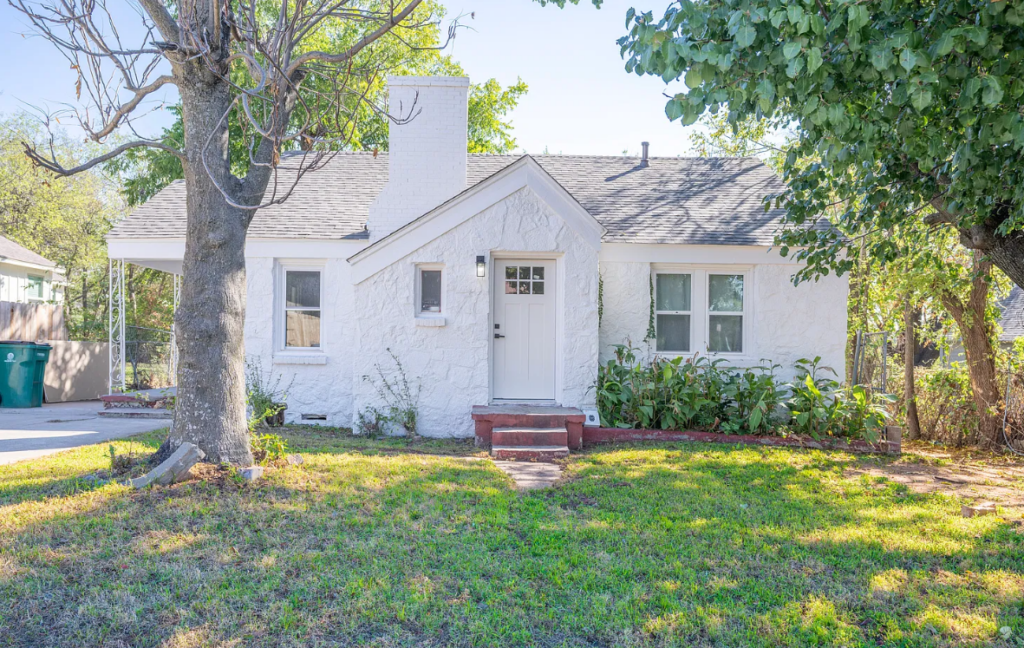
What Judicial Foreclosure Means for You
In a judicial foreclosure, the process begins when a lender files a petition with the court. You receive a summons and a set amount of time to respond. If you do not respond, the court can issue a default judgment in favor of the lender. If you do respond, the case moves through normal court proceedings.
Once the court issues a judgment, it orders a sale, commonly called a sheriff’s sale. The property sells at public auction, and the proceeds go toward the outstanding loan balance.
The judicial process takes longer than a nonjudicial one. That extended window matters because it gives you more time to explore your options, including a cash sale.
Does Oklahoma Allow Nonjudicial Foreclosure?
Oklahoma also has a nonjudicial option for some mortgages through a power of sale clause. Lenders use it less often than the court route, and which path applies depends on the loan documents and the lender’s choice.
For many homeowners in Oklahoma City, foreclosure will move through the court system, though your loan documents determine your situation. An attorney can confirm which process applies to you.
What Happens If You Ignore the Court Summons
Ignoring a foreclosure lawsuit is one of the most damaging things you can do. When you fail to respond, the court can enter a default judgment quickly. That speeds up the process significantly and limits your ability to challenge anything or negotiate.
Even if you cannot afford an attorney, responding to the summons in some form helps preserve your legal standing. It can buy you time and keep your options open.
What Is the Right of Redemption in Oklahoma and Does It Help You?
The right of redemption lets a homeowner reclaim a property by paying what is owed. Its availability and timing depend on the stage of the foreclosure.
Equitable Redemption Before the Sale
Equitable redemption generally lets you pay off your full loan balance, plus costs, before the foreclosure sale is finalized. In theory, this sounds helpful. In practice, most homeowners in foreclosure do not have access to that much money on short notice. Still, it is worth knowing the option exists.
If circumstances change, such as an inheritance, a settlement, or family funds, redemption before the sale may let you stop the foreclosure by paying the debt in full.
After the Sheriff’s Sale
Oklahoma generally does not give homeowners a broad right to reclaim a home after a residential foreclosure sale. Once a court confirms the sale, your options narrow considerably. The timing and rules depend on your case, so speak with an attorney quickly if a sale has already occurred.
The Practical Reality of Redemption Rights
Redemption rights are legal protections, but they do not solve most foreclosure situations, because they require significant funds when most homeowners are already financially stretched.
What they do show is that your window to act is before the sale. That is why selling before the sheriff’s sale often makes more financial sense than waiting for a forced auction outcome.
How Do Oklahoma Foreclosure Laws Affect Your Ability to Sell?
Understanding the legal framework is one thing. Knowing how it affects your ability to sell a house in foreclosure in Oklahoma City is where that knowledge becomes practical.
You Can Sell During Active Foreclosure
A common misconception says a foreclosure filing locks you out of selling your home. It does not. As long as you hold title to the property, you generally have the legal right to sell it. The filing creates a legal claim against the property, but it does not transfer ownership until a court-ordered sale is completed and confirmed.
That creates a meaningful window between the initial filing and the final auction when a sale is possible. A cash buyer can often move through the purchase more smoothly than a buyer relying on mortgage financing, which is one reason cash offers are a practical choice in these situations.
What Happens to Your Mortgage Debt at Closing
When you sell a home in foreclosure, the proceeds go toward satisfying the outstanding loan balance. If the sale price covers the full amount owed, the foreclosure is resolved. If it falls short, you may face a deficiency judgment.
A deficiency judgment is a court ruling that holds you personally responsible for the remaining balance after the sale. Oklahoma law allows lenders to pursue deficiency judgments in some cases, though restrictions limit when and how they can obtain one.
Understanding this risk matters when you evaluate any offer. Knowing what you owe, what your property is worth, and what a buyer will pay helps you judge whether a sale fully resolves your situation or whether you need additional steps.
Why Cash Sales Work Well in Foreclosure Situations
Traditional sales come with mortgage contingencies, appraisal requirements, and closing timelines that can stretch longer than your foreclosure case allows. A cash transaction removes several of those steps. For Oklahoma City homeowners facing foreclosure, selling a house in foreclosure in Oklahoma City before the sheriff’s sale gives you the most control over the outcome.
Frequently Asked Questions
Can you sell a house in foreclosure before the sheriff’s sale in Oklahoma?
Selling before the sheriff’s sale is one of the most effective ways to avoid the worst foreclosure outcomes. As long as you hold legal title, you can enter into a sales contract and transfer ownership to a buyer. We work with homeowners in this situation and can help assess whether a cash sale is the right path forward.
What is a deficiency judgment and how can it affect me after foreclosure?
A deficiency judgment is a court order requiring you to pay the difference between what your home sold for and what you still owed on the loan. In Oklahoma, lenders can pursue this under certain legal conditions, though restrictions apply. Selling your home for a price that satisfies the outstanding balance is the most direct way to avoid this outcome.
How long does the judicial foreclosure process take in Oklahoma?
The judicial foreclosure process in Oklahoma typically takes several months from the initial filing to the final sheriff’s sale, depending on court schedules, whether you respond to the lawsuit, and other case-specific factors. That timeline gives homeowners a real opportunity to sell before the process reaches a final judgment.