
Inheriting a home packed with decades of furniture, clothing, and personal belongings is one of the most overwhelming situations a family can face. The good news is that you may not have to empty the house before you sell it. Many cash buyers will purchase a property with the contents still inside.
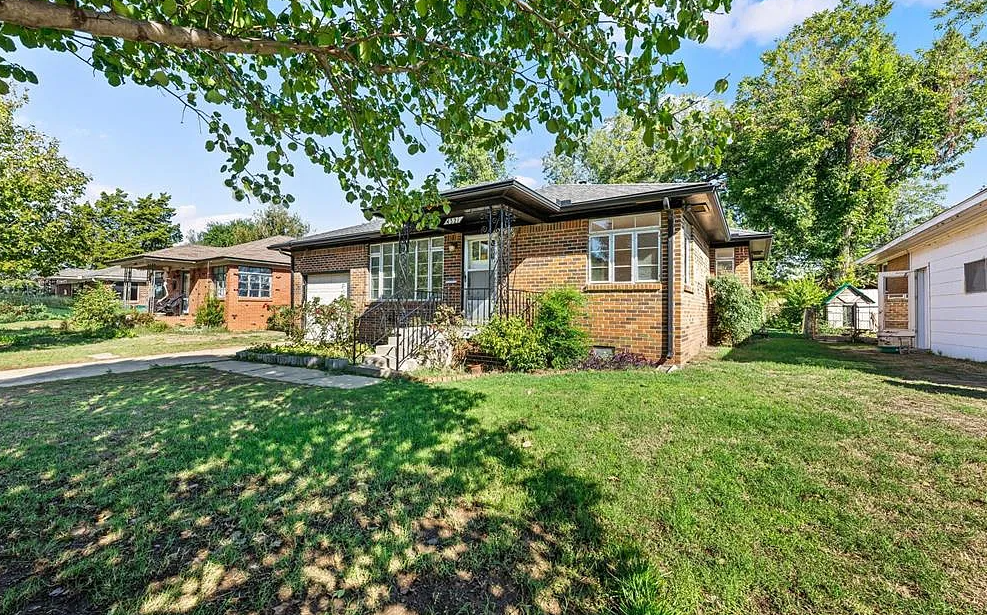
Can you sell an inherited Oklahoma home as-is with the contents still inside?
Selling an inherited home with belongings inside is more common than most heirs expect. The key is understanding what “as-is with contents” means in a real transaction, not just as a marketing phrase.
What do cash buyers mean by “as-is with contents”?
When a cash buyer purchases a home as-is with contents, they buy the physical property and agree in writing that certain personal belongings may stay. The purchase agreement either lists the specific items that remain or includes a clause covering all contents that aren’t excluded.
This differs from a traditional listing. A retail buyer usually expects a clean, empty house. A cash buyer prices the property knowing they will handle the contents after closing, whether that means donation, disposal, or resale.
Which items stay, and which should you remove before closing?
Large furniture, appliances, old clothing, tools, and household goods are the items most often included in a contents-included sale. They tend to have limited resale value and high removal cost, so leaving them behind often makes financial sense for an heir.
Some categories you should remove before closing, whatever the sale type:
- Legal documents: wills, deeds, Social Security cards, tax returns, and financial account records.
- Prescription medications: dispose of them properly rather than leaving them in the house.
- Firearms and ammunition: have them legally transferred or removed by a qualified person.
- Sentimental or high-value items: jewelry, family photographs, collectibles, and antiques. Anything covered by the contents clause transfers to the buyer.
- Vehicles: titled property needs a separate transfer and usually isn’t part of a real estate purchase agreement.
If you’re unsure whether an item is covered, ask before you sign. After closing, you generally can’t retrieve what you left behind.
How does including contents affect the cash offer?
Including contents lowers the offer, but the reduction is often smaller than the cost of clearing the home yourself. A professional estate cleanout can cost several thousand dollars depending on volume, before hauling and disposal fees.
Picture a home full of furniture and a detached garage packed with tools. If you clear it yourself, you might spend real money and weeks of labor before the property is ready to show. In a contents-included cash sale, the buyer absorbs that work and reflects it in the offer. You trade some dollars for time and a simpler process. Whether that trade makes sense depends on what the contents are worth and how much you value your time. If you want to sell your house as-is, ask each buyer how they handle contents before you compare offers.
What legal steps must an heir complete before selling an inherited property in Oklahoma?
Wanting to sell and having legal authority to sell are two different things. However clearly your family understands who should inherit, a buyer’s title company will require documented authority before the sale can close.
Should you go through probate or use a non-probate transfer?
Probate is the court process that formally transfers a deceased person’s assets to their heirs. If the property was titled only in the deceased’s name, with no beneficiary designation or trust, probate is generally required before an heir can sell.
Non-probate transfers pass ownership automatically, outside of court. Common examples in Oklahoma include:
- Joint tenancy with right of survivorship: the surviving owner becomes sole owner at death without probate.
- Transfer-on-Death Deed (TODD): Oklahoma allows an owner to record a deed naming a beneficiary who takes ownership at death.
- Living trust: property held in a trust passes to the named beneficiary under the trust document, without court involvement.
If one of these was in place, you may be able to sell relatively soon after recording the right paperwork.
How do you confirm you have legal authority to sell?
Before you sign a purchase agreement, confirm your authority with one of these documents:
- Letters Testamentary or Letters of Administration: the Oklahoma district court issues these to name you as the estate’s personal representative.
- A properly recorded Transfer-on-Death Deed: recorded with the county clerk after the owner’s death, with a death certificate.
- Trust certification: a document from the trustee confirming the trust holds the property and the trustee can sell it.
Signing a contract before you have documented authority creates serious complications. Title companies typically won’t insure the sale, and the transaction may not close.
Does the Oklahoma small estate affidavit apply to an inherited home?
Oklahoma offers a simplified process for small estates that avoids full probate. It applies when the value of the deceased’s personal property falls below a set threshold.
The critical detail is that the small estate affidavit generally covers personal property, not real estate. It typically won’t transfer title to a house. If the home is the main asset, your family will likely need probate or a non-probate transfer already in place. An estate attorney can confirm which path applies to you.
How do cash buyers handle homes that still contain furniture or belongings?
Buying a furnished or cluttered home takes more preparation than buying an empty one. Knowing what happens during and after the sale helps you set expectations.
What happens during a walkthrough of a furnished home?
During a walkthrough, a buyer looks at more than the structure. They note the general volume and type of contents, because that affects how they factor cleanout costs into the offer.
They also watch for hazardous materials such as old paint cans, chemicals, or asbestos-containing products in older homes. They look for items that may be high-value antiques or collectibles the family hasn’t inventoried. And they check access to the home’s systems. A home packed floor to ceiling makes it harder to assess the HVAC, plumbing, and electrical, which adds risk the buyer must price in.
Who is responsible for items left behind after closing?
Once the sale closes and the deed transfers, personal property covered by the contents clause belongs to the buyer. You have no further claim to those items and generally no right to re-enter the property to retrieve them.
That’s why it pays to walk through every room and outbuilding before closing. Heirs sometimes find items of real sentimental or financial value tucked away in closets or attics. Remove anything you want to keep, or exclude it from the contents clause in writing before closing.
How is a contents-included sale written into the purchase agreement?
A standard Oklahoma purchase agreement covers the real property and fixtures. Personal belongings usually need a separate written agreement or an addendum that addresses contents.
The addendum should state clearly whether all contents are included or which items are excluded. Vague language leads to disputes. A well-drafted addendum lists exclusions by category or description, such as “all furniture, except the grandfather clock in the living room.” Both parties sign it alongside the main contract. Review the language with a real estate attorney before you sign, because what the addendum says is what controls.

Frequently Asked Questions
Can I sell an inherited house in Oklahoma before probate is finished?
In most cases, the estate must be opened with the court and a personal representative appointed before you can sell inherited real property. Limited exceptions exist, such as property in a living trust or transferred by a valid Transfer-on-Death Deed. An Oklahoma estate attorney can confirm which path applies to your property.
What happens if heirs disagree about selling an inherited house with belongings inside?
When several heirs own a property, all parties with legal authority typically must agree to sell, or the matter may go before a probate court. A buyer generally can’t complete a purchase if an heir with legal standing objects. In contested situations, a probate attorney can explain partition options and whether a court can order a sale.
Does selling an inherited Oklahoma home as-is affect estate taxes or capital gains?
Often, yes, in your favor. Inherited property usually receives a stepped-up basis as of the owner’s date of death. Capital gains are generally calculated from that value rather than the original purchase price, which can reduce the taxable gain. Federal estate tax applies only to estates above the federal exemption. A CPA familiar with inherited property can calculate your actual tax impact, and I’m not a tax advisor.