

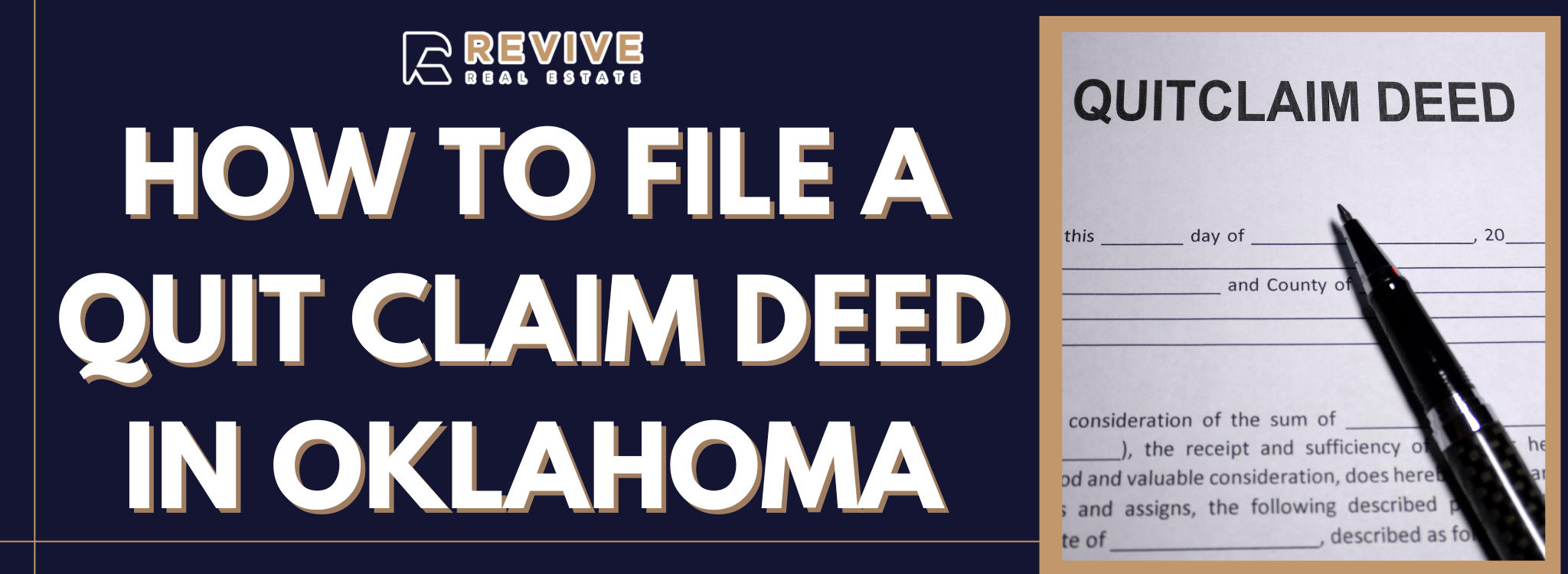
How to File a Quit Claim Deed in Oklahoma
What is a Quit-Claim Deed?
A quitclaim deed is a legal document used in real estate law to transfer property rights. The grantor, who owns the property, gives up their interest to the grantee, the person receiving the property. Unlike warranty deeds, quitclaim deeds do not promise that the title is clear of any issues. Because of this, quitclaim deeds are often used among family members or individuals who trust each other.
Key Steps for Filing a Quit Claim Deed in Oklahoma
To file a quitclaim deed in Oklahoma, follow these steps:
- Prepare the Deed: Get a quitclaim deed form online or at an office supply shop. Complete it with information about the person giving the gift, the person receiving the gift, the property’s formal description, and any payment that was made.
- Sign and Notarize the Document: The grantor and grantee must sign, and a professional notary public must notarize the document.
- File with the County Clerk: Take the signed and notarized quitclaim deed to the property’s county clerk’s office and pay the filing fee, which may vary.
- Obtain a Certified Copy: After the deed is recorded, ask the county clerk for a copy for your records.
These steps will help you complete the quitclaim deed process in Oklahoma.
Legal Requirements for Quit Claim Deeds in Oklahoma
For a quitclaim deed in Oklahoma:
- Legal Description: The exact legal description of the land must be written in the deed.
- Signatures: The grantor’s signature must be notarized.
- Recording: In order to be legally effective, the deed must be recorded with the county registrar.
- Consideration: Indicate a consideration, regardless of its size, that is necessary to establish the legality of the transfer.
These requirements ensure the quitclaim deed is valid under Oklahoma law.
Who Can File a Quit-Claim Deed in Oklahoma?
In Oklahoma, anyone interested in a property can file a quitclaim deed. This includes:
- Grantors: The individuals transferring their interest in the property.
- Grantees: The recipients of the property interest who agree to the terms in the deed.
Because both parties must agree to the transfer, quitclaim papers are a good way to move real estate in Oklahoma.
Understanding Oklahoma Property Deeds
Types of Property Deeds Available in Oklahoma
Oklahoma has different types of property deeds:
- Warranty Deeds: These guarantee a clear title and protect against future claims.
- Quitclaim Deeds: These transfer interest without warranties, often used with trusted parties.
Each type of deed is suitable for different situations.
Differences Between Quit Claim and Warranty Deeds
Key differences between quitclaim deeds and warranty deeds include:
- Title Assurance: Warranty deeds assure the title is clear, while quitclaim deeds do not.
- Use Cases: Use quitclaim deeds when parties know each other well; use warranty deeds for clear title assurance.
Knowing these differences helps you pick the right deed for your real estate needs.
Importance of Recording Deeds with the County Clerk
Recording deeds with the Oklahoma county clerk is important because:

- Legal Recognition: It ensures the transaction is legally recognized and enforceable.
- Public Record: Recording creates a public record, helping protect against future claims on the property.
- Title Transfer: It completes the process of property title transfer in Oklahoma.
Filing with the county clerk protects the interests of everyone involved.
When to Use a Quit-Claim Deed in Property Transactions
A quitclaim deed is helpful in cases like:
- Family Transfers: Transferring property between family members.
- Divorce Settlements: Changing property ownership after a divorce.
- Clearing Title Defects: Fixing minor issues or errors with the title.
Under Oklahoma quitclaim laws, these transactions can be handled smoothly with a quitclaim deed.
Common Mistakes to Avoid When Filing a Quit Claim Deed in Oklahoma
When filing a quit-claim deed in Oklahoma, avoid common mistakes. This helps ensure the legal transfer of property is clear and valid.
Incorrect Information on the Deed Form
Putting wrong information on the property form is a common mistake. Make sure that all the information you have about the grantor (the person giving the property) and the grantee (the person receiving the property) is right. This includes names, addresses, and short descriptions of the land. If you’re not sure about any part of the transfer, you should talk to a lawyer to avoid problems during or after the transfer. A smooth sale depends on accurate information about the property.
Failure to Notarize the Document Properly
A quit-claim deed is only legal if it is notarized. A notary public must see the signature on the deed to make sure it is real. The document might not be valid if it isn’t notarized correctly. Stick to all of the rules for notarization, as they are tight and may vary significantly from county to county.
Not Filing the Deed with the Appropriate County Office

The quit claim deed needs to be filled out and notarized, then it needs to be filed with the right county office in the county where the land is located. This is usually the county clerk’s office. There may be different filing rules in each county, so make sure you know where to file and how to do it. In Oklahoma, not following proper real estate law can make the deed ineffective in transferring ownership.
Avoiding the Misuse of Quit Claim Deeds
Quit-claim deeds can sometimes be misunderstood and misused. They mainly transfer ownership without assurances about the title’s status. This type of deed does not guarantee against claims on the property. Misusing quit-claim deeds can result in legal issues, including disputes over property rights. Understand the legal implications before using this method of property transfer.
Costs Associated with Filing a Quit Claim Deed in Oklahoma
Knowing the costs of filing a quit claim deed in Oklahoma will help you budget for the property transfer. Costs can vary based on filing fees and the choice to get legal help.
Filing Fees and Other Charges
When you send your quit-claim deed to the county clerk’s office, you have to pay a fee. These fees can be different in different Oklahoma counties, so make sure you know what they are in your area. There may be extra fees for things like bookkeeping costs or extra copies of the deed. Knowing about these costs ahead of time helps keep things from coming as a surprise.
How to Estimate Costs for Legal Assistance
The costs associated with legal assistance can fluctuate based on the intricacy of the transaction and the lawyer’s level of expertise. Engaging with a real estate attorney in Oklahoma can provide clarity and confidence throughout the filing process. Many attorneys provide consultation services to assist in estimating expenses prior to engaging in comprehensive legal assistance. This step guarantees you receive the necessary support in handling your expenses effectively.
Are There Any Hidden Costs When Filing a Quit Claim Deed?

Transparency in expenses is important when filing a quit-claim deed. While most fees are transparent, unforeseen charges like extra paperwork or amendments can arise. To avoid unexpected expenses, get a detailed breakdown of all costs from legal advisors or county offices. Legal advice can help uncover these potential hidden costs.
Cost-Saving Tips for Filing Quit Claim Deeds
These ideas can help you save money when you file quit claim deeds:o save on costs when filing quit claim deeds, consider these tips:
- Filing the deed yourself will save you money on legal fees if you know how to do it. But be sure you know all the rules and regulations.
- Online Resources: Use the tips and tools from trusted sources that are available to help you file your taxes quickly and easily.
- Bulk Copies: Instead of going to the county clerk’s office several times to get more copies of papers, ask for them all at once. This can save you money on transportation and handling costs.
Using these strategies, you can cut unnecessary expenses while ensuring an effective and lawful property transfer through a quit-claim deed.
Exploring the Role of Grantors and Grantees
Knowing who the grantor and grantee are is key in real estate. These roles are important when dealing with documents like a quitclaim deed, which helps transfer property rights. This guide will explain what both parties do, focusing on real estate law in Oklahoma.
What is a Grantor in a Quit-Claim Deed?
The grantor is the person or group that gives up its property rights using a quitclaim deed. This type of deed is often used when the property change isn’t a regular sale, like between family members. The grantor transfers their interest, but doesn’t guarantee a clear title. It’s wise to carefully look at all legal documents involved in the property transfer.
Responsibilities of a Grantee in Oklahoma

The grantee is the one receiving the property rights. In Oklahoma, they need to make sure the title they get is valid. After getting a quitclaim deed, the grantee should check the property’s title history to avoid future ownership issues. This may mean doing a title search and getting title insurance for protection against claims.
How to Ensure Clear Title Transfer Between Parties
To make sure the title is clear when transferred, do the following:
- Do a Title Search: This confirms the grantor’s right to transfer the property and shows any liens.
- Use the Quitclaim Deed Correctly: Make sure it’s filled out right and signed by everyone required.
- Get Legal Advice: Talk to a real estate lawyer to clarify doubts and ensure everything follows Oklahoma laws.
- File with the County Clerk: Recording the quitclaim deed with the county clerk’s office makes the transfer official.
Understanding the Limitations of Rights Transferred
A quitclaim deed has limits on the rights it transfers. The absence of a clear title indicates that the grantee receives only the interest held by the grantor at that time. There exists a potential for undiscovered liens or claims. Knowing these limits helps both parties avoid legal problems under Oklahoma real estate law.
The Process of Notarizing a Quit-Claim Deed in Oklahoma
To ensure the legal validity and authenticity of a quitclaim deed in Oklahoma, notarization is essential. Without notarization, the deed may lack legal validity, potentially causing complications in the property transfer process.
Why Notarization is Crucial for Quit Claim Deeds
Notarization makes sure that the signatures on a quitclaim deed are real. This stage makes sure that the persons who are signing are who they say they are, which cuts down on fraud. In addition, it shows that the deed was properly executed in any property transfer, which is required by Oklahoma law.
How to Find a Notary Public in Oklahoma
Finding a notary public in Oklahoma is easy:

- Local Banks or Credit Unions: Many offer notary services to account holders.
- Public Libraries: Some libraries provide notary services for free or a small fee.
- Online Directories: Use websites like Notary Rotary to look for notaries in your area.
- Legal Services Providers: Notaries are commonly accessible in real estate law firms.
Step-by-Step Guide to Getting Your Quit Claim Deed Notarized
Here’s how to notarize your quitclaim deed in Oklahoma:
- Prepare the Document: Make sure the quitclaim deed is ready for signing.
- Find a Notary: Choose a convenient notary service.
- Bring Identification: Both the grantor and grantee should have a valid ID.
- Sign Before the Notary: Do not sign in advance; the notary must see you.
- Pay the Fee: Be ready to pay for the notary service.
What Happens After Notarization?
Upon completion of the notarization process, submit the quitclaim deed to the county clerk in the county where the property is located. This officially documents the transfer and updates public records, thereby enabling the new ownership to be legally recognized. Promptly filing the deed in Oklahoma is beneficial in preventing future disputes regarding property rights.
If everyone involved in a quitclaim deed transaction follows these steps, the transfer of property will go smoothly and be legal. You could chat to the experts at Revive Real Estate, LLC if you need extra help with real estate transactions.
Navigating the County Clerk’s Office for Deed Filing
How to Determine the Correct County Office for Filing
Find the right county clerk’s office in Oklahoma before you file a quitclaim deed. The office you need varies depending on where your property is. First, check the Oklahoma deed register to make sure you know which county your property is in. This step makes sure that the sale of your property title is legal. Check the website for the county clerk in Oklahoma if you need help finding where to file a quitclaim deed.
Required Documentation for Filing at the County Clerk’s Office

Prior to visiting the county clerk’s office in Oklahoma to submit your quitclaim deed, ensure that you possess all the required legal documents. Make sure to have the quitclaim deed along with any other documents that are necessary for Oklahoma property records. Review the Oklahoma deed filing guidelines to ensure your documents are accurate and can be processed efficiently.
Online Resources and Tools Offered by County Offices
Many county clerks in Oklahoma have online services for submitting deeds. Their websites have forms for quitclaim deeds that you can download. These sites might help you understand property law and city rules in Oklahoma. Before going to the office, explore these online solutions to make filing easier.
Tips for Efficient Interactions with County Clerks
For smooth interactions with the county clerk, be ready and informed. Submit your quitclaim deed in Oklahoma with all the required documentation. To improve efficiency, follow the office’s advice on quitclaim deeds and stay polite. Contacting the Oklahoma deed office beforehand can also answer any questions about the process.
Assessing Risks and Benefits of Quit Claim Deeds
What Are the Risks Involved with Quit Claim Deeds?
Quit-claim deeds are a simple way to transfer property, but have risks. These include possible legal problems if the title is not clear or if there are existing judgments against the property. Know the limitations related to ownership claims that could void the quitclaim process in Oklahoma.
Benefits of Using Quit Claim Deeds in Real Estate Transfers
While there are certain risks involved, the advantages of utilizing quit-claim deeds for real estate transfers in Oklahoma are noteworthy. These options are budget-friendly for swift property transfers and eliminate the need for extensive title searches, making them ideal for family transfers or establishing trusts.
How to Minimize Potential Legal Issues

Avoid legal issues with quit-claim deeds by consulting a lawyer. Consult a real estate lawyer for Oklahoma quitclaim rules. Legal aid ensures the quitclaim contract is executed appropriately, reducing disputes.
Assessing If a Quit Claim Deed is the Right Choice for You
Consider whether a quit-claim deed is best for you. Compare Oklahoma quitclaim deed laws to your estate planning or property ownership goals. Understanding the implications helps you make situation-specific decisions.
The Impact of Quit Claim Deeds on Estate Planning
Quitclaim deeds simplify property transfer, making them popular in estate planning. Knowing the legal ramifications is key. Quitclaim deeds don’t ensure property title like warranty deeds. This can dramatically affect estate planning, notably property rights for heirs and beneficiaries.
How Quit Claim Deeds Integrate into Estate Planning
Quitclaim deeds fit into estate planning when transferring real estate within a family. These deeds allow for transferring property interests without many legal hurdles. Like those in Oklahoma, being familiar with property laws is important to execute the deed correctly and align it with the estate plan.
Considerations for Using Quit Claim Deeds in Family Transfers
When using quitclaim deeds for family transfers, think about these factors:
- Property Ownership: Make sure the person giving the property owns it.
- Heirs and Beneficiaries: Understand how the transfer affects their ownership rights in the future.
- Real Estate Transactions: Be aware of any tax or financial consequences of the transfer.
Legal Implications for Heirs and Beneficiaries

Quitclaim deeds can have a big impact on the property rights of heirs and beneficiaries. They don’t guarantee a clear title, which could lead to problems if other people claim the land. Talking about these things with a lawyer who has been around for a while can help you avoid legal troubles you didn’t see coming.
Professional Advice for Incorporating Quit Claim Deeds in Estate Plans
Getting advice from professionals who understand estate plans and quitclaim deeds is wise. Legal guidance ensures that the transfer matches the grantor’s wishes and follows property laws. Professionals can give specific advice to structure the transaction to benefit everyone involved.
Seeking Professional Guidance
Professional advice is needed before using a quitclaim deed to transfer property. Realty lawyers can advise you on property law and help you resolve legal concerns.
When to Consult a Real Estate Lawyer
You should consult a real estate lawyer when:
- You plan to draft or execute a quitclaim deed.
- You face complex property law questions.
- You need clarification on how property transfers affect an estate plan.
How to Choose a Qualified Attorney in Oklahoma
If you want to find a good attorney in Oklahoma, you should:
- Check their expertise in real estate law.
- Look at client testimonials or past cases.
- Confirm their credentials and standing with the state bar.
Questions to Ask a Legal Advisor About Quit Claim Deeds
When talking to a legal advisor about quitclaim deeds, ask:

- What are the pros and cons of using a quitclaim deed?
- How will this change my current estate plan?
- Are there other methods of property transfer I should consider?
Additional Resources for Homeowners and Property Buyers
If you’re a homeowner or property buyer interested in quitclaim documents and real estate sales, you can look into:
- Legal guides and forms are available at local libraries or online.
- Community legal aid organizations offer educational workshops.
- Consultation services from real estate professionals and attorneys.
For thorough real estate guidance, consider choosing Revive Real Estate, LLC to meet all your property needs effectively and efficiently.
FAQs:
What is a Quitclaim Deed, and When is it Used?
A quitclaim deed is a legal document used to transfer property ownership. It doesn’t guarantee that the property has a clear title. People often use it between family members or to fix title issues.
How Do I File a Quitclaim Deed in Oklahoma?
Oklahoma quitclaim deeds need exact property information on the deed form. Sign before a notary. Then, submit it to the property’s county clerk, such as Canadian County or Wagoner County, and pay any fees.
Are There Differences in Filing a Quitclaim Deed in Other States?
State quitclaim deed laws vary. Ohio, New Mexico, and Massachusetts may have different rules. Consult a state law or expert.
What Fees Are Associated with Filing a Quitclaim Deed?
Fees can differ by county, but usually include a recording fee at the county clerk’s office. You might also incur costs if you need professional help or legal advice.
Does Filing a Quitclaim Deed Affect Property Taxes?
A quitclaim deed doesn’t affect property taxes. When ownership changes, taxes may change, especially if the fair market value changes. Consult your local assessor to determine its impact on your tax assessment.
Can a Quitclaim Deed Be Used to Transfer Property with a Mortgage?
Only quitclaim deeds transfer ownership, not mortgages. The original owner is responsible for the mortgage until it is refinanced or resolved.
What Should Be Included in a Quitclaim Deed Form?
Include the names of the grantor and grantee, a legal description of the property, and any needed disclaimers or notices. Make sure it’s notarized before you turn it in.
Can I Draft a Quitclaim Deed Myself?
You can use models to write a quitclaim deed, but it’s better to talk to a lawyer first. This makes sure you follow all the rules set by the law and avoids any problems or mistakes that could make the move invalid.
Key Insights
- Learn how to file a quitclaim deed in Oklahoma, especially in Canadian County, Wagoner County, Rogers County, Kay County, and Payne County.
- Explore the quitclaim deed process, focusing on requirements like statutory format, execution, and filing with the county clerk’s office.
- Understand important legal terms like warranty of title, warranty deed, and statutory provisions vital for filing a quit claim.
- Find out about the necessary documents, including affidavit forms and PDF templates, to ensure you follow Oklahoma laws.
- Consider how factors such as coal mining, probate matters, and encumbrances can affect property transfers via a quit-claim deed.
- Evaluate how mortgages, taxes, and debts might impact the validity and execution of a quitclaim deed.
- Gain insights into client relationships, including tenant agreements and eviction processes, that connect to property transfer through quit-claim deeds.
- Use tools like PDF editors and online databases to fill out quitclaim forms efficiently and manage documents easily.
- Get expert advice for tricky situations in property transfers, such as when a grantor dies or terminates scenarios involving testamentary documents.
- Contact us for help navigating quit claim deed transactions, including any needed disclosures, to ensure accurate documentation.
This information is pertinent to Oklahoma and its cities, such as Oklahoma City, Tulsa, and Enid. For further information or to request assistance, please contact us at (405) 669-6466 or visit our website at Revive Real Estate, LLC.
Sell Your Oklahoma House A Matter Of Days…
Additional Resources For Oklahoma Sellers