Understanding Abandoned Property in Oklahoma
Oklahomans who own land, city governments, and the community as a whole face unique problems when there is abandoned property.
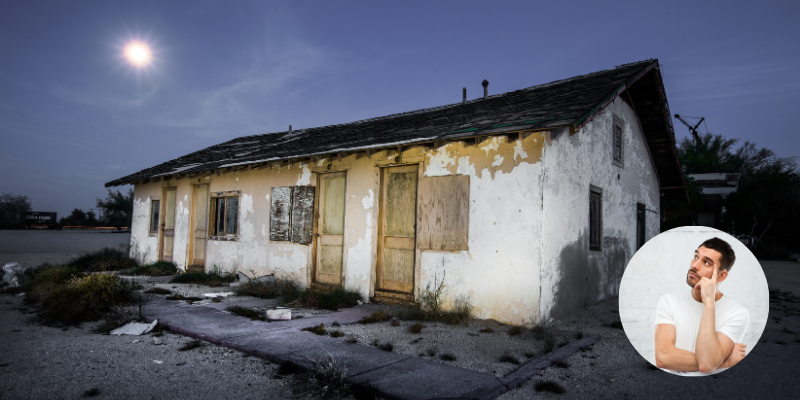
The state’s statutes define specific criteria to identify and manage such properties, which often include dilapidated buildings posing as public nuisances. The governing body of a municipality is very important when it comes to dealing with code issues and making sure that city code is followed.
This article talks about what “abandonment” means in the eyes of the law and what property owners are responsible for. It also tells you how to fix things that need fixing or how to use the law to make sure that community standards are met.
Legal Definition of Abandonment
In Oklahoma, abandonment of property is clearly defined by state law.
Following Oklahoma laws, a property is considered abandoned when it is left empty, and the owner has no plans to return or claim ownership of the property. When enforcing rules on run-down buildings to make sure they don’t become a public nuisance, municipal governing bodies look to these laws.
The law sets rules for what kind of neglect or lack of maintenance by a property owner is considered, and it requires certain steps to be taken once a property is considered abandoned.
The governing body of a town usually steps in when the property seems to be ignored on purpose, putting the community’s health and safety at risk.
By identifying an abandoned property, municipal authorities can then initiate the necessary actions to ensure these properties either meet compliance through required repairs or are accounted for in property proceedings.
The Responsibilities of a Landowner

Property owners in Oklahoma hold significant responsibility under state laws to maintain their real property and prevent it from becoming a public nuisance.
The Oklahoma statutes mandate that an owner must engage in regular maintenance to avoid falling into the category that necessitates municipal intervention. Failure to keep up with necessary repairs can put the property at risk of being identified as abandoned or even condemned.
To lower the risks to the public that come with buildings that are falling apart, the governing group can force the property owner to do something. This usually means talking or going to court.
Though these statutes place a considerable burden on property owners, they also provide a clear roadmap for navigating potential pitfalls, thus emphasizing the proactive role landowners must assume.
The Role of a Condemnor in Property Proceedings
A condemnor plays a crucial role in managing abandoned and foreclosed properties in Oklahoma. The condemnation process starts with a condemnor, who usually works for a city or county government and speaks for the people.
This process involves looking at properties, talking to owners, and keeping track of the laws that apply to condemnation proceedings. To get the best results, you need to know the first steps and how to negotiate well. We must make sure that the law is handled correctly and protect the rights of people who own property and the public. We also buy houses in Yukon, which is an easy and stress-free choice for people who own property there.
Initial Steps for Condemnation
The initial steps in the condemnation process are crucial for ensuring fair and systematic handling of condemned properties.
Initially, the governing body, typically the municipality or county, recognizes properties that are in significant disrepair or present a risk to public safety. This decision usually follows an evaluation in accordance with local and state regulations.
Once identified, the condemning authority’s priority is to protect public interest, focusing on correcting buildings that are unsafe or harmful to community welfare.
Next, the property owner receives a formal notification of the violations or concerns. The condemnor must meticulously document each step to support any legal action.
This procedure may prove to be overwhelming for householders, particularly when repair expenses exceed their budget. Many owners in these situations seek alternatives, such as selling their house swiftly in Oklahoma City, to alleviate the burden of ongoing violations or costly renovations and move forward more quickly.
This structured approach not only upholds legal standards but also provides a practical pathway for addressing public safety concerns while offering property owners viable solutions.
Negotiating with Property Owners

Key parts of the condemnation process include negotiating with property owners, which requires careful discussion and legal knowledge.
Usually, the condemnor works for the city or county. They talk about ways to keep buildings that are already in bad shape from falling apart even more. The goal is usually to reach an understanding with the owner about what needs to be fixed or how much money could be given if the property can’t be saved.
Successful negotiations contribute significantly to community well-being by reducing the presence of dilapidated structures and fostering urban renewal.
In the pursuit of voluntary compliance or in anticipation of legal proceedings, strong negotiation tactics highlight the municipality’s dedication to protecting public interests, emphasizing the vital connection between law, governance, and community growth.
Proceedings in Oklahoma City for Condemned Houses
To keep the public safe and property standards high in Oklahoma City, managing abandoned homes is a structured process guided by specific rules and codes.
In this process, properties that are seen as public nuisances or health risks are looked at by municipal authorities through a number of legal steps.
Understanding community impact is crucial as these proceedings not only address unsafe conditions but also influence property values and neighborhood safety.
These programs are based on the city’s codes and laws, which protect the public interest and set rules for handling and fixing problems with foreclosed homes.
| Legal Process Steps | Property Owner Rights | Community Impact | Urban Development Benefits |
|---|---|---|---|
| Issuance of Notice | Challenge the Order | Improves Safety | Opens Land for New Projects |
| Inspection and Evaluation | Present Evidence | Reduces Blight | Increases Property Values |
| Public Hearings | Request Extensions | Enhances Neighborhood Aesthetics | Optimizes Land Utilization |
| Demolition Order | Seek Compensation | Promotes Community Well-being | Facilitates Modern Infrastructure |
The table provides a comprehensive overview of the key elements associated with the management of condemned houses in Oklahoma City. It highlights the procedural steps involved in legal actions, outlines the rights available to property owners, portrays the positive effects on the community, and illustrates the strategic benefits for urban development.
Steps in the Legal Process
In Oklahoma City, the process for taking homes away from their owners is very carefully planned out to protect both public safety and property owners’ rights.
Initially, the municipal governing body identifies properties that fall short of the city’s code standards, often due to severe neglect or safety hazards. The process begins with an inspection led by city authorities or county officials who evaluate the property’s condition against Oklahoma’s legal statutes.
If any city or Oklahoma state laws are broken, the check records them. This gives a full picture that helps decide what to do next. The government sends an official notice to the property owner through clear legal documents as soon as a property is marked for condemnation.
This notice details the specific laws violated and the required actions for compliance, such as necessary repairs or demolition to address public nuisances. Oklahoma’s laws ensure that property owners are given due process, allowing them to appeal or present their case in court if they contest the condemnation.
At this point, the courts are very important because they have to evaluate the rights of property owners against the rules of the city. City officials might collaborate with the property owner to explore feasible options for rectifying the violations, aiming to bring the property into compliance or, if irreparable, determining compensation.
To promote accountability and transparency, the city meticulously documents each legal transaction throughout this process. These methods promote community welfare and offer a systematic conflict resolution process, maintaining safety standards essential for Oklahoma City’s expansion.
Impact on the Community
The impact of dealing with condemned houses in Oklahoma City extends beyond the immediate alterations to a property, deeply influencing community well-being and urban aesthetics.
Properties caught in condemnation processes often contribute to concerns such as reduced property values and potential public safety hazards. When left unattended, condemned properties can quickly transform into public nuisances, attracting illegal activities and reducing neighborhood appeal.
Addressing these properties according to municipal codes transforms unsafe spaces into potential development opportunities, increasing neighborhood attractiveness and economic vitality. Communities benefit both socially and economically when condemned houses are effectively managed.
Getting rid of these buildings can lower crime rates and make the area more appealing to businesses, which is good for urban development. Also, the legal process for condemning properties encourages community participation and shows that the city is committed to keeping the area safe and prosperous.
Public forums and community meetings allow citizens to voice concerns and engage in dialogues with municipal officials. This fosters a sense of ownership, reinforcing responsibility and long-term improvements.
By fixing up empty lots, the city not only follows health and safety rules, but it also strengthens its economy, which is good for Oklahoma City as a whole. Transparent processes build trust in government, which leads to responsible property management and a strong, healthy community.
Navigating the Complexities

It can be hard to figure out Oklahoma’s complicated rules for abandoned and condemned homes, but knowing the process is important for making smart choices.
Whether you’re seeking to acquire property for redevelopment or need to comply with local regulations, staying informed about legal obligations and community responsibilities is essential.
Engaging with local officials and using resources can improve transactions and results. Reviving neglected properties boosts community vitality, neighborhood safety, and real estate investment prospects. So enter Revive Real Estate, LLC. We buy houses in any condition for cash, making the process easy. Contact us today to take the next step.
FAQs
What do the laws in Oklahoma say about a place being considered abandoned?
The law in Oklahoma says that a property is abandoned when it is left empty and the owner has no plans to return or claim ownership. This legal definition helps cities and towns implement rules on run-down buildings so they don’t become a nuisance to the public.
In Oklahoma, what do property owners need to do to keep their land from becoming a public nuisance?
In Oklahoma, property owners are responsible for keeping their homes in good shape so that they don’t end up being abandoned or destroyed. This means following the city code and taking care of any code violations right away so that the police don’t have to get involved.
What does a condemnor do when it comes to Oklahoma homes that have been abandoned or are in default?
The process of condemnation starts with a condemnor, who usually works for a city or county government. This includes looking at sites, talking to owners, and keeping an eye on the court cases to make sure the public interest is protected while property owners’ rights are respected.
How do the formal steps for taking someone’s property in Oklahoma City work?
The legal process begins when city officials identify properties that violate city codes due to neglect or present safety hazards. A formal notification is issued following a review that outlines any infractions. Property owners have a designated period to meet compliance requirements and the option to appeal in court, ensuring that the process remains transparent.
What effect does taking care of foreclosed homes have on Oklahoma City’s community?
Taking good care of foreclosed homes can raise property prices, lower crime rates, and help cities grow again. Getting people in the community involved in the justice system also teaches them to be responsible and keeps the public safe and the neighborhood looking nice.
Helpful Oklahoma City Blog Article